

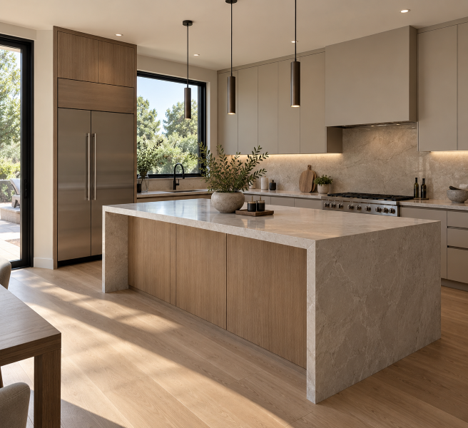
What a Professional Renovation Contractor Should Handle from Design to Completion
A serious home renovation starts long before anyone removes a cabinet or opens a wall.
A serious home renovation starts long before anyone removes a cabinet or opens a wall. The real work begins with understanding what the homeowner needs, how the house is used, and what the finished space should accomplish. Design decisions, material selections, measurements, construction, scheduling, and finishing details all affect one another. When those pieces are handled separately, small mistakes can quickly become expensive ones. A professional remodeling team brings them into the same process, giving the project a clear direction from the first conversation through the final walkthrough.
Begin With the Home, Not a Catalog
Every house has its own logic. Room proportions, ceiling heights, windows, existing millwork, natural light, plumbing locations, and structural conditions all influence what can realistically be done. We start by looking at those details and listening to how the homeowners actually live. Maybe the kitchen has plenty of square footage but poor circulation. Perhaps a closet wastes valuable space, or the finishes throughout the house no longer feel connected. Those observations matter more than choosing a countertop on the first visit. Good design responds to the house and the people using it.
Turn Ideas into a Practical Design
Once the goals are clear, the next step is turning broad ideas into decisions that can actually be built. Layouts, cabinetry, appliances, lighting, hardware, flooring, wall finishes, storage, and other details need to work together. For homeowners considering home remodeling in Los Angeles CA, this stage deserves real attention because a change in one area can affect several others. Moving a sink can alter plumbing. Changing cabinet dimensions can affect appliances and clearances. Selecting a particular finish may influence lead times. These are not glamorous details, but they are exactly where experienced planning earns its value.
Establish the Scope Before Construction
A renovation becomes much easier to manage when everyone understands what is included before work begins. The scope should account for the major construction work as well as the details that are easy to overlook. This includes demolition, framing where required, electrical and plumbing work, cabinetry, surfaces, fixtures, painting, hardware, and final installation. Material selections should be made with availability and compatibility in mind, not simply appearance. A clear scope also gives homeowners a better understanding of where their budget is going and makes it easier to recognize when a requested change could affect cost or schedule.
Coordinate the Work Behind the Scenes
Construction is where a design has to survive contact with the real house. Multiple trades may be working around one another, deliveries have to arrive at useful times, and measurements need to be right before something is fabricated or installed. A renovation contractor in Los Angeles should coordinate those details rather than leaving homeowners to chase plumbers, electricians, cabinet installers, and other specialists. Good project management is often quiet when it is working properly. The homeowner may simply see that the right person arrives when expected and that one stage is ready for the next.
Deal With Problems Without Losing the Plot
Even a carefully planned renovation can uncover surprises. Older homes may have uneven framing, outdated wiring, hidden plumbing issues, moisture damage, or conditions that were impossible to see before demolition. Materials can also arrive damaged or take longer than expected. What matters is how those situations are handled. We believe homeowners should know what has been discovered, why it matters, what the reasonable options are, and whether a decision will affect the budget or schedule. There is no benefit in pretending that renovation work is perfectly predictable. Clear information allows sensible decisions to be made.
Make Craftsmanship Match the Design
Design and construction cannot really be separated when the goal is a refined interior. Cabinet reveals need to be consistent, doors and drawers should align, trim should meet cleanly, and materials need to transition without awkward breaks. Custom cabinetry, European kitchens, walk-in closets, wall paneling, and built-ins demand careful measurements and precise installation. HM Interior & Remodeling approaches luxury European kitchens, custom cabinetry, and sophisticated interior remodeling with that connection between design and workmanship in mind. The finished room should look considered from across the space and still hold up when you start using it every day.
Design for the Way the Home Is Actually Used
A renovation can look impressive and still be frustrating if the layout does not work. Storage should be placed where it is useful. Drawers should open without interfering with nearby doors. Kitchen work zones should allow people to move without constantly crossing paths. Bathroom fixtures need comfortable clearances, and lighting should serve more than one purpose when the room calls for it. During home remodeling in Los Angeles, CA, these practical decisions often have a greater long-term effect than a decorative trend. A well-designed room tends to disappear into daily life because everything simply works as it should.
Keep the Project Organized from Start to Finish
A professional renovation involves a long list of responsibilities, and none of them should be treated as an afterthought. A well-managed project may include:
- Defining the homeowner's goals and project scope
- Developing layouts and design selections
- Coordinating materials, cabinetry, and trades
- Managing construction communication and scheduling
- Reviewing installation quality and final details.
Keeping these responsibilities connected helps prevent gaps between what was designed and what is eventually built.
Give the Final Walkthrough the Attention It Deserves
The last day of construction is not the moment to stop paying attention. A proper completion process includes reviewing the finished work, checking doors and drawers, examining surfaces and trim, confirming fixtures operate correctly, and addressing remaining touch-ups or adjustments. A final walkthrough also gives the homeowner a chance to raise questions before the project is formally wrapped up. Those small corrections matter. A room can be ninety-nine percent complete and still feel unfinished because of a handful of details that were never addressed.
Conclusion
The best renovation experience is not necessarily the one with the fewest decisions. It is the one where those decisions are explained, coordinated, documented, and carried through properly. From understanding the existing home to developing the design, managing construction, coordinating skilled trades, and reviewing the final details, each stage should support the next. If you are planning a renovation and want a team that can guide the project from the initial concept through completion, contact us at HM Interior & Remodeling to discuss your home and the changes you have in mind.
FAQs
1. What does a professional renovation contractor handle?
A professional contractor can manage design, materials, construction, scheduling, trades, and final details. This keeps the entire renovation organized from start to completion.
2. Why is planning important before renovation work begins?
Planning helps establish the layout, materials, project scope, budget, and construction sequence. It can also reduce delays and costly changes during the renovation.
3. How are unexpected renovation problems handled?
A professional team explains the issue, discusses available solutions, and recommends the most practical approach. This helps homeowners make informed decisions without unnecessary confusion.
4. Why is functionality important in a home renovation?
A renovated space should look good while also working comfortably for everyday life. Storage, lighting, circulation, cabinetry, and fixture placement all contribute to usability.
5. What happens during the final renovation walkthrough?
The team reviews the completed work, checks important details, and identifies any remaining adjustments. This helps ensure the project is properly finished before it is considered complete.